


Custom Indexing Plunger
Integrate Positioning, Indexing & Locking - Core Precision MechanicalComponents for Automation, Fixtures, Medical Equipment & More

Product Overview of Indexing Plunger
What is a Indexing plunger and its purpose?
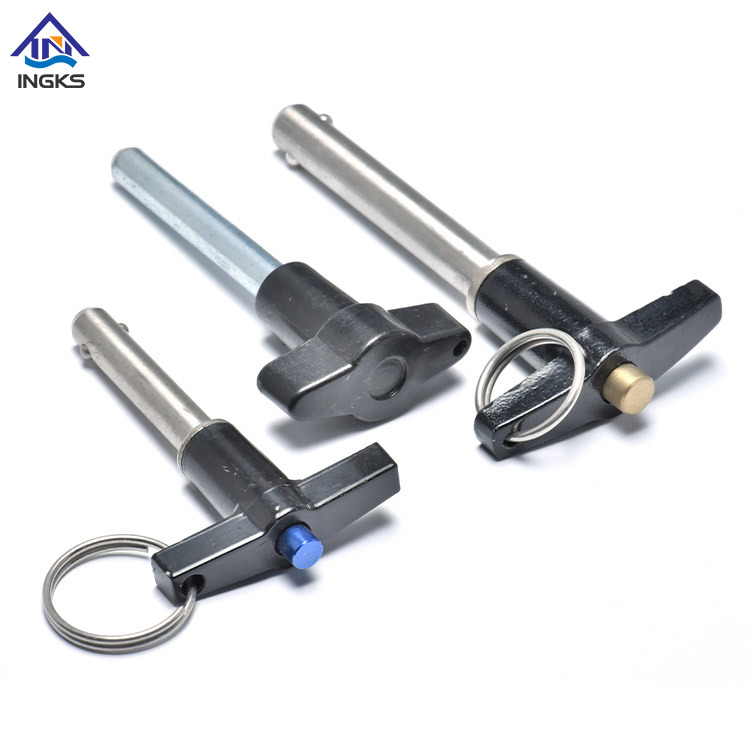
Multi- Scenario Adaptability: Optional manual/ full coverage of pull ring/button/knob/automatic resettypes, suitable for light instruments to heavy molds,Standard Knob/ Lever Type /With Ring/ No Knob/Special Knob/


Key Customization Advantages
From material selection to structural design, we provide full professional technical support to ensure
that every customized Indexing Plunger can accurately match customer needs.
Head Type
Cylindrical/L/Toothed/Conical/
Head Material
Steel/Plastic/Aluminum/StainlessSteel/PA
Flexible Sizes & Installation Methods
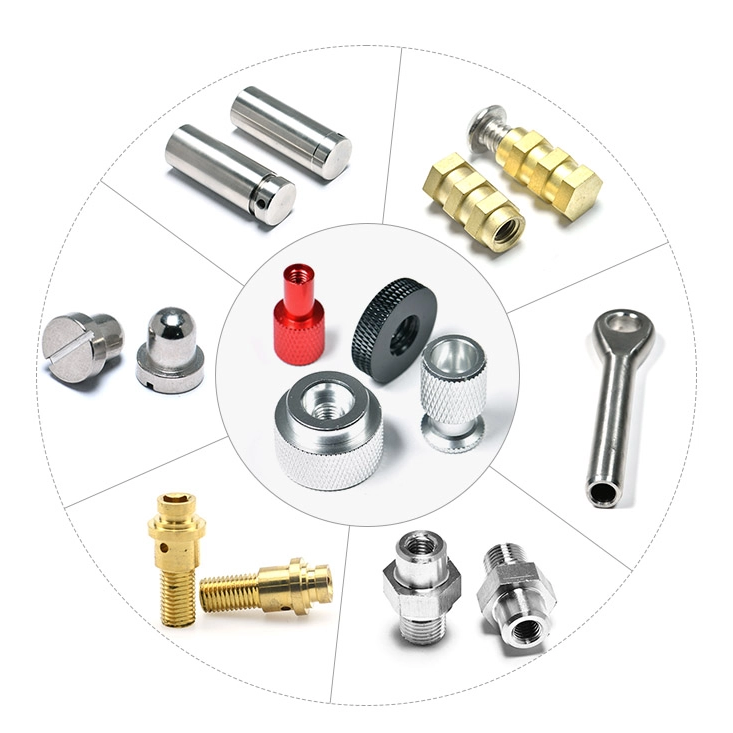
Available in M5-M25, Indexing plunger can be fully customized. Special sizes, irregular shapes, and surface treatments can be made from customer drawings.The installation methods are mainly divided into three types: threaded type, flange type and clamping type
Efficient & Stable Connections
Within the massive frame of heavy machinery, stability and safety are the bottom lines that cannot be crossed. As a key positioning and locking element, the indexing pin plays a pivotal role in the maintenance and operation of engineering machinery.


Applications On Other Devices

Services & Support for Indexing Plunger

Presales Technical Assistance
When we get a demand from a customer or a potential customer who wants to buy us a product, it is our standard procedure to supply the best solution to meet their needs.
After sales Technical Assistance
INGKS's Service Centre can solve all kinds of technical issues as well as supply various types of spare parts in the shortest time.
The Processing of production
When we get a order from our customers, it is our standard procedure to give our loyal customer one production processing table including parts name & its lead time, total assembling time and testing scheme within 1-2 days.
Training
Only by having a perfect knowledge of our products, our customers are able to use them in the best way. It is our promises to invest in custom training.

Contact Us
Boasting a team of seasoned experts, while offering technical assistance and comprehensive one-stop solutions to the global marketplace.
Our Certificate
Best Fitness Equipment Manufacturer Award: Awarded for three consecutive years, recognizing our superior quality and innovation.


Related Blogs
-
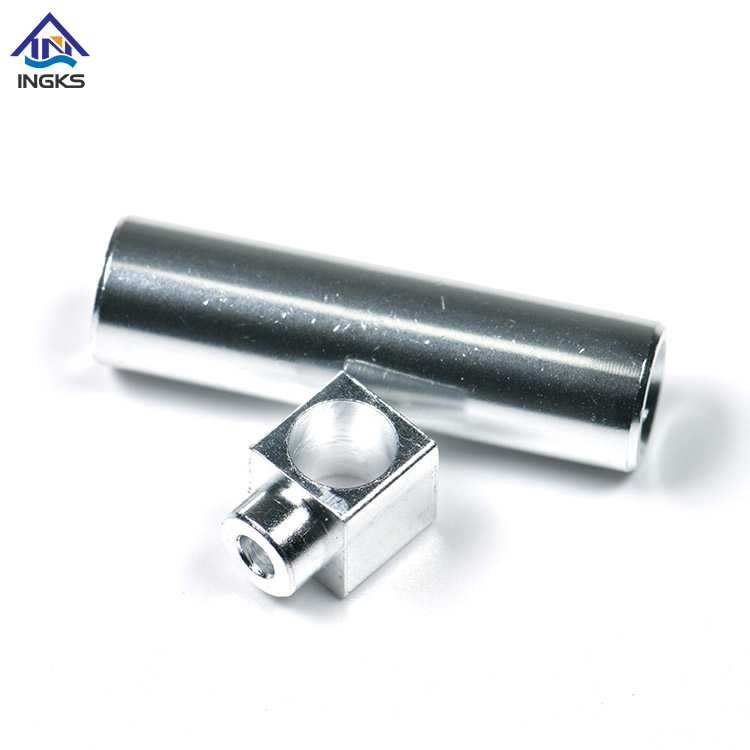 Choosing between sheet metal fabrication vs. CNC machining depends on part geometry, precision requirements, production volume, material selection, and manufacturing costs. CNC machining is ideal for complex solid components requiring tight tolerances and excellent surface finishes, while sheet metal fabrication provides an efficient solution for lightweight enclosures, brackets, and high-volume production. This guide compares both manufacturing methods across design flexibility, scalability, material utilization, hidden costs, and lead times, helping engineers and procurement teams select the most cost-effective production strategy for their applications.Blog
 -
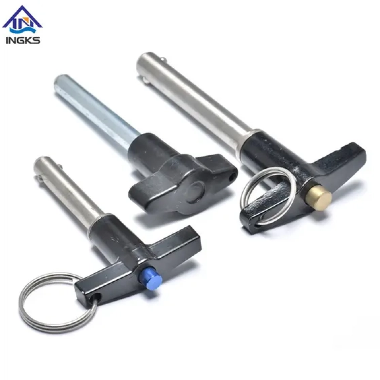 Locking pins are essential for securing machinery, equipment, and various components across a wide range of industries.Blog
 -
 Sheet Metal Prototyping helps engineering teams validate form, fit, function, and manufacturability before investing in production tooling. This guide explains key fabrication processes, Design for Manufacturability (DFM), tooling options, material selection, cost drivers, and quality considerations. It also compares sheet metal prototyping with CNC machining and 3D printing, providing practical insights for reducing development risks, accelerating product launches, and transitioning prototypes into efficient, scalable production.
 -
 Metal Parts Manufacturing requires selecting the right production process, material, tolerance, and supplier based on product performance, production volume, and budget. This guide compares CNC machining, sheet metal fabrication, extrusion, casting, forging, EDM, and metal 3D printing while explaining how DFM, GD&T, material selection, and quality certifications influence manufacturing costs and product quality. It also provides practical sourcing strategies to help engineers and procurement teams improve production efficiency, reduce risks, and select reliable manufacturing partners.Blog
Keep In Touch With Us
Whether you need standard model selection or customized solutions, our engineering team is ready to provide professional support!
Free Consultation Hotline:
Mob:+86-510-82829982 \ +86-13961793184
E-mail:sales06@ingksmetalparts.com
