
Views: 0 Author: Site Editor Publish Time: 2025-10-31 Origin: Site


Ever wondered what keeps your car smooth on bumpy roads? Coil springs are the unsung heroes of vehicle suspension systems. They absorb shocks, ensuring a comfortable ride. In this post, you'll learn about their role in maintaining vehicle balance and safety. We'll explore common failures, maintenance tips, and replacement options to keep your car running smoothly.
Coil springs play a vital role in vehicle suspension, but several factors can lead to their failure over time. Understanding these causes helps in maintaining your vehicle’s safety and performance.
Coil springs are made of metal designed to endure stress. However, over time, even the toughest metals weaken. As your vehicle racks up miles, the springs gradually lose their ability to absorb shocks effectively. Older springs become brittle and more prone to breaking. Regular checks are essential, especially for vehicles with high mileage or unknown maintenance history.
Rough roads are harsh on suspension parts. Potholes, uneven surfaces, and gravel roads place extra stress on coil springs. This constant pounding accelerates wear, leading to premature failure. Vehicles driven mostly on smooth highways tend to have coil springs that last longer compared to those frequently navigating bumpy or poorly maintained roads.
Every vehicle has a weight limit. Coil springs are designed to support the car’s weight plus a certain load. Frequently carrying heavy loads or towing beyond the recommended capacity strains the springs. This overloading causes them to compress more than intended, weakening their structure and shortening their lifespan.
Corrosion is a silent enemy, especially in regions where road salt is common during winter. Salt and moisture chip away at the protective coating on coil springs, exposing the metal underneath. Rust weakens the springs, making them more likely to crack or break. Regular washing during winter months can help reduce corrosion risks.
Mistakes during coil spring installation can cause early failure. Using incompatible springs or incorrect mounting can stress the suspension system unevenly. Even a small error can lead to misalignment, increased wear on other parts, and a rough ride. Always rely on experienced technicians for installation to ensure springs function as intended.
Note: Regularly inspect coil springs for signs of wear, especially after harsh driving conditions or heavy loading, to prevent unexpected failures and costly repairs.
Coil springs are crucial for a smooth ride and proper vehicle handling. When they start to fail, your car will show several telltale signs. Recognizing these symptoms early helps you avoid bigger problems and costly repairs.
One of the first signs of a damaged coil spring is uneven tire wear. Since coil springs help keep your vehicle balanced, a weak or broken spring causes uneven weight distribution. This leads to more wear on one tire compared to others on the same axle. You might notice the tire tread wearing faster on the inside or outside edge. Uneven tire wear also affects handling and can be a safety risk if left unchecked.
Damaged coil springs lose their ability to absorb road bumps effectively. You’ll feel this as a rougher, bumpier ride. The vehicle might bounce more over potholes or uneven surfaces. This reduced ride quality makes driving uncomfortable and can cause fatigue on longer trips. Handling also suffers, making the car feel less stable around corners.
When coil springs weaken or break, they compress more than they should. This causes the vehicle to sit lower on one or more corners. A lower ride height is a clear sign your coil springs need attention. You might notice one side of the car looks tilted or closer to the ground than the others. This imbalance can impact suspension alignment and tire wear.
Sometimes you can spot physical damage on the coil springs themselves. Look for cracks, rusted spots, or even broken coils. These visible signs mean the spring has lost strength and must be replaced immediately. Driving with visibly damaged springs is unsafe and can cause further damage to suspension parts.
Damaged coil springs often produce rattling, clunking, or knocking sounds. These noises usually happen when going over bumps or turning sharply. The sound results from loose or broken springs moving in the suspension assembly. If you hear these noises, have your suspension inspected promptly to prevent accidents or more costly repairs.
Note: Regularly check your tires and suspension for uneven wear or unusual noises to catch coil spring issues early and maintain vehicle safety.
Proper inspection and maintenance of coil springs ensure your vehicle stays safe and comfortable on the road. Regular checks help catch problems early, preventing costly repairs and dangerous situations.
Perform visual inspections of your coil springs regularly, especially after driving on rough roads or carrying heavy loads. Use a flashlight to look closely at the springs for:
● Cracks or breaks in the coils
● Rust or corrosion spots
● Any signs of sagging or deformation
If you notice any damage or rust eating through the metal, it’s time to take action. Also, check for uneven spacing between coils or if the spring looks compressed more than usual.
While visual inspections are helpful, a professional suspension check is essential. Technicians use special tools to measure spring tension and inspect the entire suspension system. These checks can detect problems you might miss, like hidden cracks or worn mounts.
It’s a good idea to have your suspension inspected yearly or during routine vehicle maintenance. If you experience symptoms like uneven tire wear, rough rides, or noises, schedule a professional check immediately.
Keeping coil springs in top shape involves more than just inspections. Here are some tips to extend their life:
● Avoid Overloading: Stick to your vehicle’s load limits to prevent excessive spring compression.
● Drive Carefully: Slow down over potholes, speed bumps, and rough terrain to reduce stress on springs.
● Wash Regularly: Clean the undercarriage, especially in winter, to remove salt and dirt that cause corrosion.
● Replace in Pairs: When replacing springs, always change both on the same axle to maintain balance and handling.
● Use Quality Parts: Choose high-quality OEM or trusted aftermarket springs for replacements.
By following these tips, you reduce the risk of coil spring failure and keep your vehicle handling smoothly.
Tip: Schedule regular suspension inspections with a certified technician to catch coil spring issues early and avoid costly repairs.
When coil springs wear out or break, replacing them promptly is crucial for maintaining vehicle safety and performance. You have two main choices: OE (Original Equipment) coil springs or aftermarket coil springs. Each option has its advantages and drawbacks, so understanding them helps you make the best decision for your vehicle.
OE coil springs are made by the vehicle’s manufacturer or to the exact factory specifications. They match the original springs in size, strength, and material. Choosing OE springs means you get the same ride quality and handling your car had when new.
Pros of OE Coil Springs:
● Perfect fit without modifications
● Consistent ride comfort and handling
● Reliable quality meeting factory standards
Cons of OE Coil Springs:
● Higher cost than aftermarket
● Sometimes harder to find, especially for older models
OE springs are ideal if you want to maintain your vehicle’s original driving experience or plan to keep it for a long time.
Aftermarket coil springs come from third-party manufacturers. They often offer more variety, including options for performance upgrades or specialized uses like off-roading or heavy-duty hauling.
Pros of Aftermarket Coil Springs:
● Usually more affordable
● Wide range of options for different needs
● Easier to find for many vehicle models
Cons of Aftermarket Coil Springs:
● Quality can vary between brands
● May require modifications or adjustments to fit
● Performance and durability may differ from OE standards
Aftermarket springs suit drivers looking for cost savings or specific performance characteristics but require careful brand selection.
To pick the right coil springs, consider these factors:
● Vehicle Use: Daily driving calls for comfort and reliability; performance or off-road use may need specialized springs.
● Budget: OE springs cost more but offer factory specs; aftermarket springs can save money but vary in quality.
● Fit and Compatibility: Ensure springs fit your vehicle model without major modifications.
● Warranty and Support: Check if the springs come with a warranty or customer support.
● Professional Advice: Consult a trusted mechanic to recommend springs based on your driving habits and vehicle condition.
Choosing the right replacement springs helps maintain safe handling, ride comfort, and prolongs suspension life.
Tip: Always replace coil springs in pairs on the same axle to keep balanced handling and prevent uneven wear on suspension components.
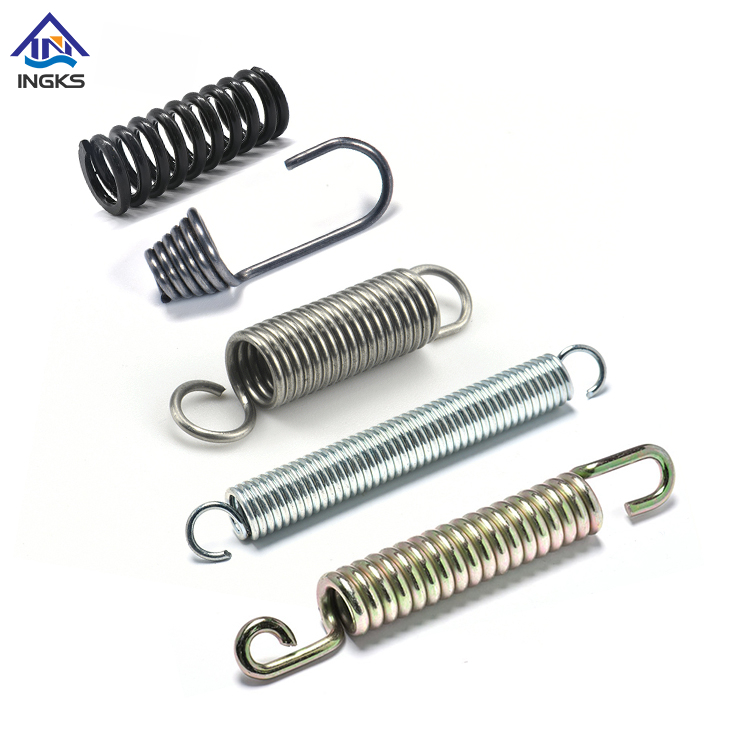
Damaged coil springs pose serious risks. When springs weaken or break, the vehicle’s balance and stability suffer. This imbalance can cause unpredictable handling, increasing the chance of accidents. For example, if a spring breaks on one side, the car might tilt or sway unexpectedly during turns or sudden stops. This instability reduces driver control, especially in emergency maneuvers.
Also, damaged springs affect braking efficiency. Uneven suspension load can cause tires to lose contact with the road, lengthening stopping distances. In extreme cases, a broken coil spring can puncture tires or damage other suspension parts, leading to sudden failures while driving.
Replacing damaged coil springs promptly is crucial for safety and vehicle longevity. Delaying repairs allows further suspension damage, increasing repair costs. Worn springs put extra stress on shocks, struts, and tires, accelerating their wear.
Timely replacement restores proper ride height and suspension geometry, ensuring even weight distribution. This balance improves handling, braking, and ride comfort. It also prevents secondary damage to other suspension components, saving money over time.
A professional mechanic can assess spring condition during routine maintenance or when symptoms appear. Replacing springs in pairs on the same axle helps maintain vehicle balance and predictable handling.
Coil springs directly influence handling by supporting the vehicle’s weight and absorbing shocks. When springs fail, the suspension can’t maintain proper alignment, causing poor steering response. Drivers may notice the vehicle pulling to one side or swaying excessively.
Damaged springs reduce the suspension’s ability to absorb bumps, resulting in a harsh, unstable ride. This instability affects driver confidence and increases fatigue on longer drives. The vehicle’s cornering ability also decreases, making turns less safe.
In commercial or heavy-duty vehicles, poor handling due to bad springs can be even more dangerous. It may cause load shifts or loss of control, risking cargo damage or accidents.
Tip: Always replace coil springs in pairs on the same axle to maintain balanced handling and avoid uneven wear on suspension components.
Coil spring failures stem from age, road conditions, heavy loads, corrosion, and improper installation. Recognizing symptoms like uneven tire wear and unusual noises is crucial for timely maintenance. Regular inspections and professional checks prevent costly repairs and ensure safety. When replacement is needed, consider OE or aftermarket options based on vehicle use and budget. Trusting a reputable company like Wuxi Ingks Metal Parts Co.,Ltd. ensures high-quality coil springs, enhancing vehicle performance and longevity.
A: Coil springs are crucial components of a vehicle's suspension system, providing support and absorbing shocks for a smoother ride.
A: Coil springs can fail due to age, high mileage, rough road conditions, overloading, corrosion, and improper installation.
A: Symptoms of damaged coil springs include uneven tire wear, reduced ride quality, lower ride height, visible cracks, and unusual noises.
A: OE coil springs are typically more expensive but offer factory specifications, while aftermarket springs are more affordable but vary in quality.


